Two sessions in one day is a logistics problem wearing a fitness costume. The training part is straightforward: run hard, recover, run again. The gear sitting in a heap between those runs is where the plan quietly falls apart. A soaked shirt left in a gym bag for six hours does not dry. It ferments. By the evening session it smells like a wet dog that got into a protein shake, and the fabric has started to hold that smell the way a cast iron pan holds seasoning.
Drying running gear between back-to-back sessions is not about laundry. It is about buying time, and the window is shorter than most people think.
Why Wet Gear Turns Against the Wearer
Running kit is built from polyester, nylon, elastane, and various blends engineered to move sweat away from skin. That wicking action is excellent during a run and a liability afterward. The same fabric that pulls moisture off a body will hold it, and the tight weave that makes a technical tee feel smooth also cuts airflow to almost nothing when the garment is bunched in a bag.
Bacteria and fungi do not need much. Damp fabric plus warmth plus a few hours is enough for the odor compounds to take hold. The smell people associate with old running gear is largely a byproduct of microbes breaking down the sweat residue left in the fibers.
Once that happens, a quick rinse does not fix it. The odor lingers because the residue is embedded, not surface-level. Drying gear properly between sessions is really about preventing that embedding, which means the clock starts the moment the run ends.
The First Five Minutes Matter More Than the Next Five Hours
The most common mistake is leaving wet kit in the bag while eating, stretching, or driving home. A sealed gym bag is a humidity chamber. Even twenty minutes inside one gives the bacteria a head start that no amount of later hanging can fully undo.
The fix is unglamorous: strip off the wet layers before anything else and spread them out flat, ideally somewhere with moving air. A car seat, a bench, a patch of floor. The goal is surface area and airflow, and it costs nothing.
This single habit does more for drying speed than any gadget. A shirt laid flat in open air loses a surprising amount of moisture in half an hour. The same shirt wadded at the bottom of a bag will still be dripping when the second run starts.
Air Movement Beats Heat Every Time
Heat feels like the obvious answer, and it is the wrong one for technical fabrics. High heat damages elastane, which is what gives running shorts and tights their stretch. It also sets odor into polyester in a way that is difficult to reverse. A hot dryer is how a favorite pair of shorts becomes a permanently sour pair of shorts.
What actually dries gear is air replacing the moisture at the fabric surface, over and over, until the fabric is dry. Moving air does that faster than still air at any temperature. A small fan pointed at a rack of wet kit will outperform a radiator by a comfortable margin, and it will not cook the fabric.
For anyone drying gear indoors between sessions, a box fan set on low a few feet away is the entire solution. It is loud and inelegant and it works.
The Bag Is the Enemy
Running bags, gym sacks, and duffels are designed to carry gear, not to dry it. They trap moisture, and most have a lining that holds dampness against whatever is inside. A wet shirt and wet socks in one compartment will keep each other wet for hours.
There are two reasonable responses. The first is to use a mesh laundry bag or a breathable stuff sack, which lets some air in and some moisture out. The second, and better one, is to stop treating the bag as storage. The bag is a transport container with a short duty cycle, and gear should leave it as soon as possible.
A separate wet compartment helps, but it is a mitigation. Even a ventilated pocket is still a pocket. Nothing dries inside a bag the way it dries outside one.
Socks and Shoes Need Their Own Protocol
Socks are the worst offenders and the easiest to overlook. They absorb the most sweat relative to their size, and they are usually the first thing stuffed into a shoe. A wet sock in a shoe is a closed system with no exit for moisture.
The fix is to pull socks off first, wring them gently, and hang them somewhere with airflow. Do not leave them in the shoes. Do not ball them up. A single sock draped over a rack dries in a fraction of the time a balled pair does.
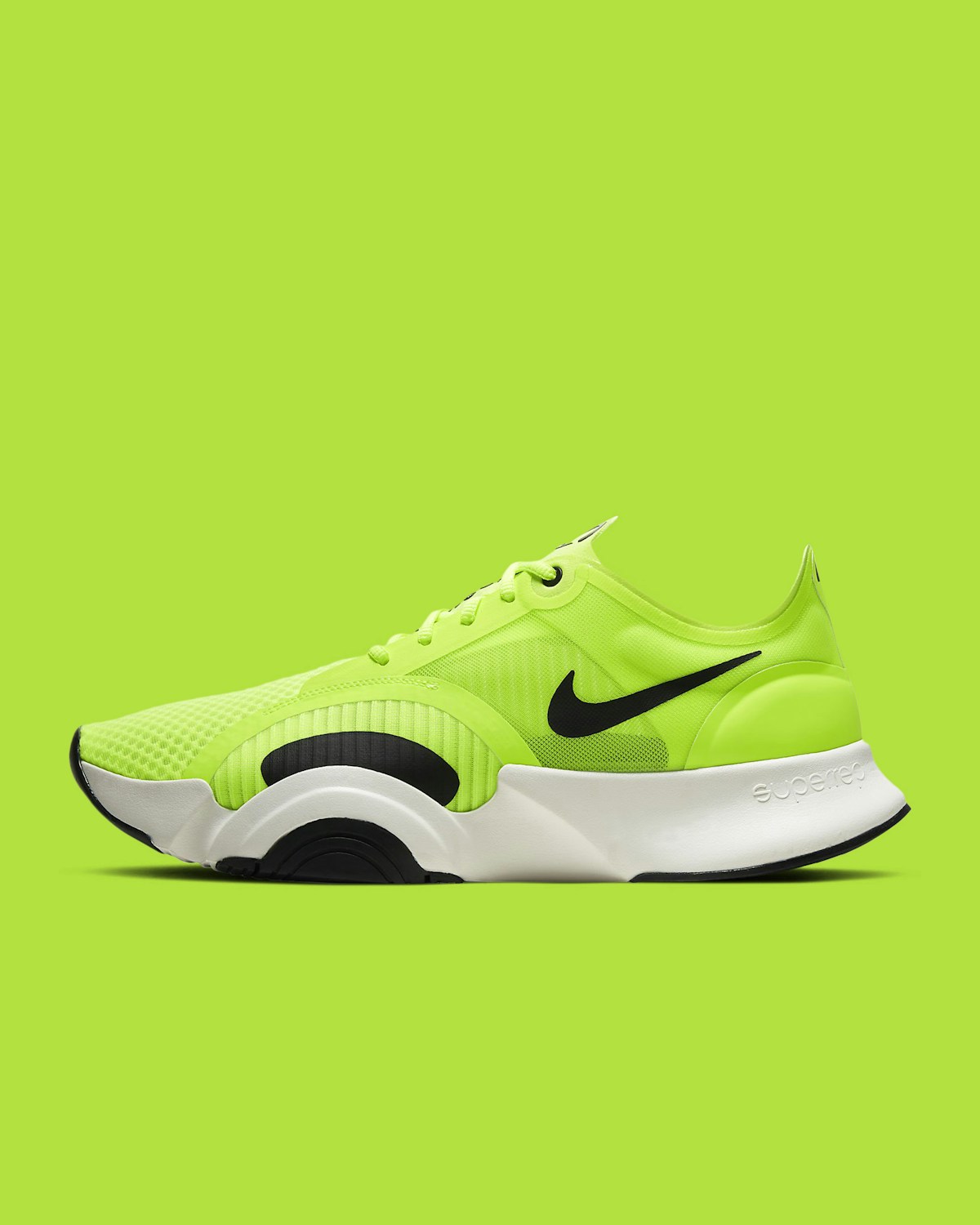
Shoes are a separate problem because they cannot be washed between every session. The interior foam and lining hold moisture, and a shoe worn twice in one day will be damp for the second run no matter what. The practical move is to loosen the laces, pull the tongue forward, and let the shoe sit open somewhere with air. Removing the insoles helps more than expected, since the insole is a foam sponge sitting directly under the foot.
Crumpled newspaper stuffed into a wet shoe pulls moisture out overnight. It is an old trick and it still works, though it is a between-days solution, not a between-sessions one.
What to Do When There Is No Time at All
Sometimes the gap between sessions is forty minutes and there is no fan, no rack, and no sun. In that case the goal changes. Full drying is impossible, so the aim is to prevent the gear from getting worse.
A quick rinse in cool water, even a sink rinse, removes some of the sweat residue that feeds odor. Wringing the garment out and laying it flat in front of a car vent or a hand dryer gets it to damp rather than soaked. It will not be dry, but it will be less of a problem than it was.
Compression gear and technical tees handle a damp second wearing reasonably well. Cotton does not. This is one more reason cotton has no place in a back-to-back training day.
The Rotation That Solves the Problem Permanently
The cleanest answer to back-to-back sessions is owning enough kit to not need the same pieces twice. Two shirts, two pairs of shorts, two pairs of socks. It sounds obvious, and it is the strategy most experienced runners land on after one too many sour-smelling second runs.
The rotation works because it removes the time pressure. The first set dries slowly and properly while the second set is worn. No fabric gets cooked, no odor gets set, and the gear lasts longer because it is not being forced through a rushed drying cycle twice a day.
The cost of a second set is real, and it is smaller than the cost of replacing gear that has gone permanently sour. Polyester that has been heat-dried while damp a few dozen times starts to smell the moment it gets wet, no matter how it is washed. At that point the only fix is replacement.
A Drying Setup That Fits in a Corner
A dedicated drying corner does not need much space. A wall-mounted rack, a small fan, and a spot near a window will handle a full set of kit. The rack matters less than the airflow, so a cheap accordion rack with a fan pointed at it beats an expensive heated dryer every time.
Hanging gear on hangers rather than draping it over a bar helps, because the fabric hangs open instead of folded against itself. Shorts clipped at the waistband and hung upside down dry fastest, since gravity pulls water down and out of the fabric rather than letting it pool in the seams.
For anyone training twice a day through a humid summer, a dehumidifier in the drying room changes everything. It pulls moisture out of the air, which means the air can accept more from the fabric. The gear dries in hours instead of overnight, and the room stops smelling like a locker room.
Washing Is Not Drying, and the Difference Costs Money
There is a persistent belief that a quick wash cycle resets wet gear. It does not. A washed garment that goes straight from the machine to a bag is still wet, and it is now wet with detergent residue that feeds odor just as readily as sweat does.
Washing between sessions is also hard on technical fabrics. Every cycle abrades the fibers a little, and detergent strips the wicking treatment that makes the garment work. Gear that gets washed twice a day will lose its performance in a season.
The better approach for a double session day is to skip the wash, air the gear thoroughly, and save the machine for the end of the day. Airing is not a substitute for washing forever, but between two runs on the same day it is the right call. The garment goes on damp and clean enough, and it does not get punished for a schedule the wearer chose.
Anyone who has pulled on a still-damp shirt at 6 p.m. after a 6 a.m. run knows the feeling: cold across the shoulders, a faint sour note rising as the body warms the fabric back up. That moment is preventable, and the prevention costs about as much as a box fan and a second set of socks.